
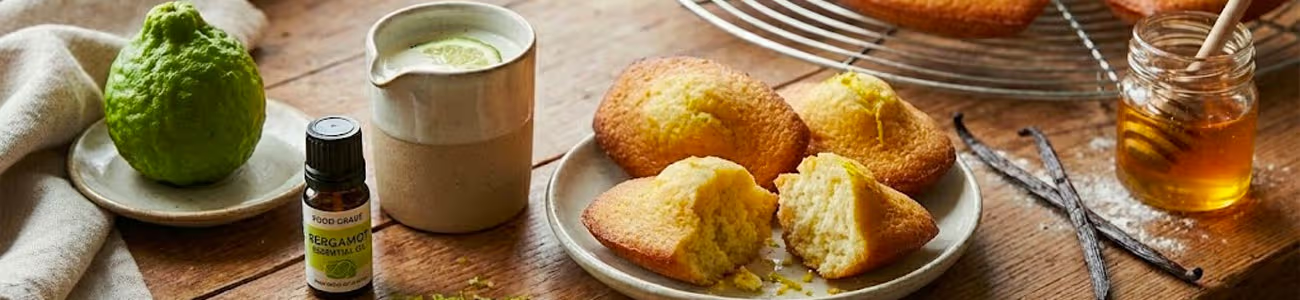
Bergamot is bright, floral and highly aromatic. In biscuit making, it can be sublime… or overpowering. Here’s how to use it with precision, and which flavour pairings work best.
In pastry and artisan biscuit making, bergamot is a distinctive citrus fruit. More floral than lemon and less acidic than orange, it brings a refined aromatic signature highly sought after in madeleines, soft cakes and premium shortbread biscuits. When properly balanced, it gives recipes an elegant and contemporary identity.
Why is bergamot delicate to use in pastry?
Bergamot contains a high concentration of natural aromatic compounds. During baking, these aromas can quickly become dominant or even bitter. In biscuit making, the goal is not to recreate an Earl Grey tea flavour, but to add a fresh, floral and clean note that supports butter, vanilla and a soft, tender texture.
1) The 3 most useful forms of bergamot
The choice of bergamot form depends on the type of biscuit, resting time and the desired aromatic result. In artisan production, fresh zest remains the most stable and easily readable option for customers.
- Finely grated zest: natural, elegant flavour.
- Infusion (in milk or cream): softer and rounder profile.
- Food-grade essential oil: extremely powerful, to be used in micro-doses only.
2) Proven flavour pairings for madeleines
- Bergamot + vanilla: balance and softness.
- Bergamot + honey or maple syrup: roundness and length on the palate.
- Bergamot + white chocolate: richness and creaminess.
How to use bergamot in artisan biscuit making
- In madeleines: always paired with vanilla or honey-based recipes.
- In shortbread: a light touch to enhance the butter.
- In travel cakes: excellent aromatic stability over several days.
Pastry chef’s tip: bergamot develops better after resting. A dough matured for 12 to 24 hours produces a more rounded and elegant flavour.
3) The common mistake: overdosing
When bergamot takes over, it masks buttery notes and vanilla. A precise, restrained touch works best, allowing texture and butter to fully express themselves.
Bergamot: a premium flavour signature
When used with precision, bergamot becomes a true pastry signature. It conveys freshness, finesse and artisan craftsmanship. It is an ideal flavour for premium collections, seasonal editions or biscuits with high perceived value.
In summary, bergamot is a demanding yet exceptional citrus fruit. In biscuit making, it is better suggested than imposed: a precise touch, the right pairing, and a well-buttered texture are enough to create an elegant and memorable biscuit.