
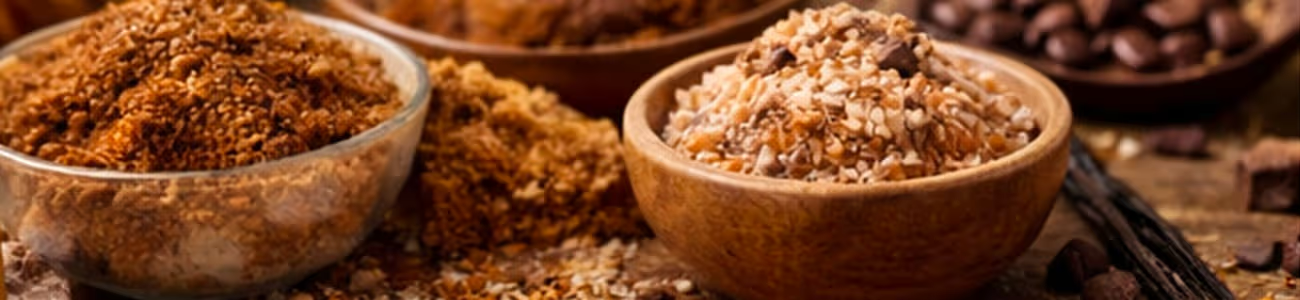
In a cookie, sugar does more than sweeten: it influences thickness, softness, caramelisation and even spread. Here’s how to choose between brown sugar, vergeoise and coconut sugar.
1) Brown sugar: the balanced “classic” cookie
Brown sugar brings rounded sweetness and even caramelisation. It helps keep cookies tender in the centre with a nice golden colour.
2) Vergeoise: more softness, deeper caramel notes
Vergeoise delivers deeper flavours (molasses, caramel) and a more “chewy” mouthfeel. It’s ideal for very indulgent cookies, especially with chocolate and nuts.
3) Coconut sugar: toasted aromas and a lighter sweetness
Coconut sugar adds toasted notes and a different kind of sweetness. It can make cookies a little drier if not handled carefully—manage chilling and baking well (remove while the centre is still tender).
Quick guide: which sugar for which result?
| Sugar | Flavour | Texture | Tip |
|---|---|---|---|
| Brown sugar | Rounded, light caramel | Balanced softness | Ideal all-purpose base |
| Vergeoise | Caramel, molasses | Chewier | Perfect with chocolate/hazelnut |
| Coconut sugar | Toasted, subtle | Drier if overbaked | Short bake + chill the dough |
FAQ
Yes—it's a great way to balance flavour and texture (e.g. a brown sugar base with a touch of vergeoise).
Vergeoise is often the softest, provided you bake just enough (remove when the centre is still tender).
Yes, but avoid overbaking and prioritise chilling the dough: it’s less forgiving than classic brown sugar.
Discover: our gourmet cookies.