
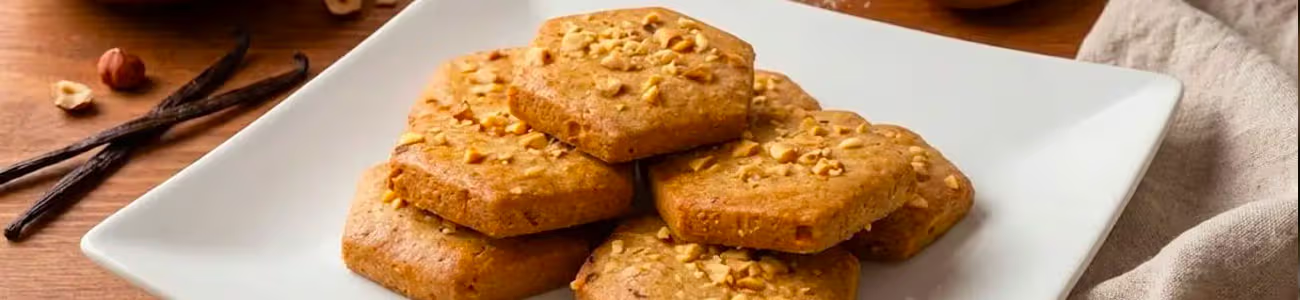
A good shortbread is all about a crumbly, clean and melt-in-the-mouth texture. The difference comes down to a few key actions: sablage, butter temperature, resting time and precise baking.
Shortbread: what does “sablé” mean?
To “sable” is to mix flour and butter until the texture resembles sand. This reduces elasticity and promotes a crumbly texture rather than a doughy biscuit.
1) Butter temperature
- Butter too soft: sticky dough, less defined shape.
- Butter too hard: uneven mixing, difficult sablage.
- Goal: butter that is soft but still firm.
2) Sablage: the key to texture
Mix flour and butter until sandy. Only then add the egg (or binder), if the recipe calls for it. The less you work the dough, the more melt-in-the-mouth the shortbread will be.
3) Sugar: it also changes mouthfeel
| Type of sugar | Flavour impact | Texture impact |
|---|---|---|
| Fine white sugar | Neutral, clean | Drier, more precise |
| Brown sugar (vergeoise) | Caramel, molasses | More tender, rounder |
| Coconut sugar | Toasted notes | Often softer texture |
4) Chilling: essential
Resting firms up the butter, relaxes the dough and improves shape during baking. Result: more even shortbreads, less spreading and a finer, melt-in-the-mouth texture.
5) Baking: colour is your guide
Overbaked shortbread becomes hard. Aim for a light, even golden colour, without darkening too much. Let cool completely before storing: this is when the texture fully sets.
Dry biscuits: definition and examples
A dry biscuit is low in moisture and designed for keeping: shortbread, spritz, croquants, tuiles… The goal is crisp or crumbly, not soft.
Storage: keeping crunch and aroma
- Airtight container (always).
- Avoid humidity: dry biscuits absorb it very quickly.
- If biscuits soften: a brief reheat in a low oven, then cool completely before sealing.
FAQ
Discover: our shortbreads .