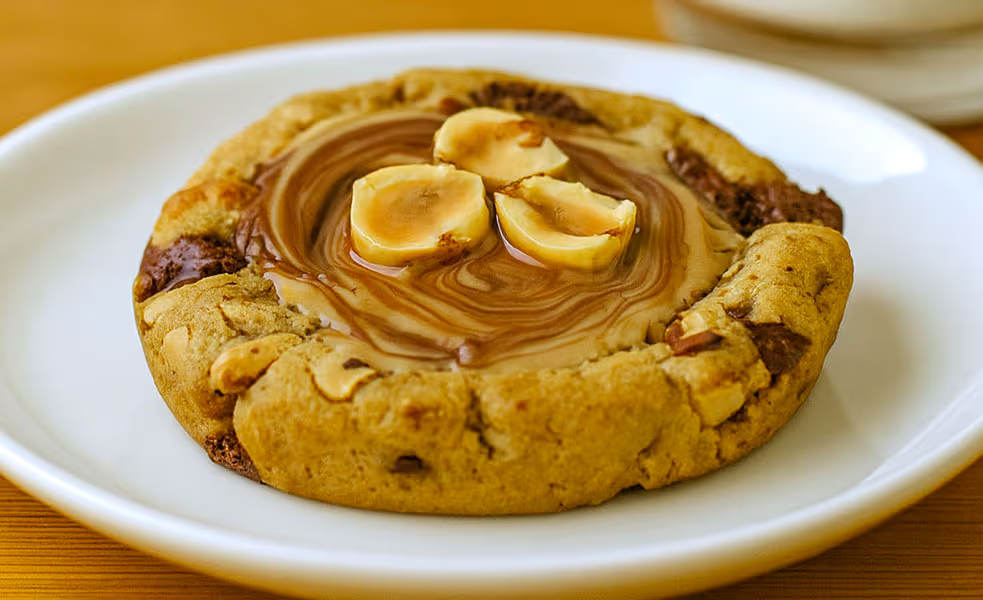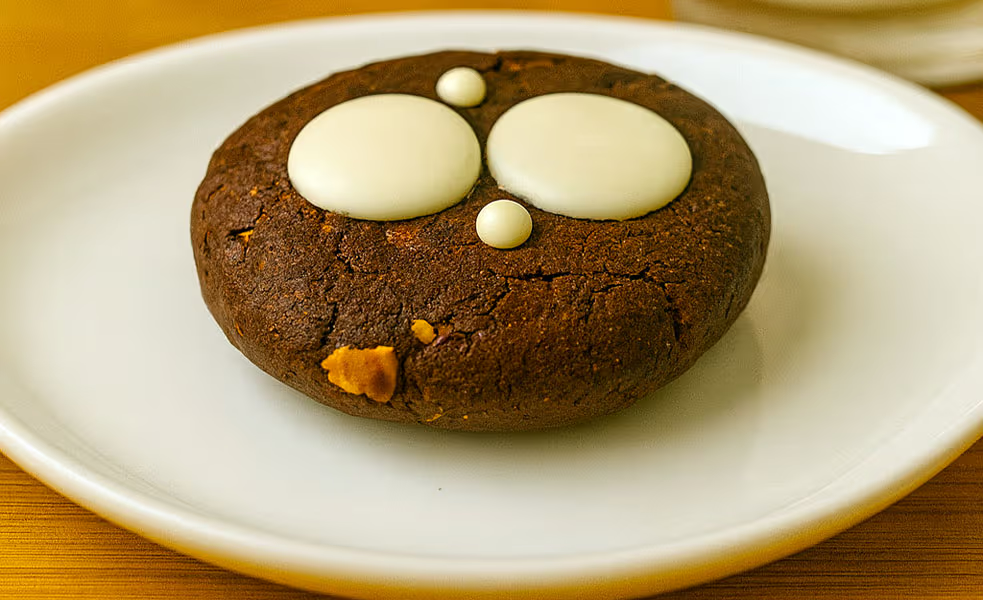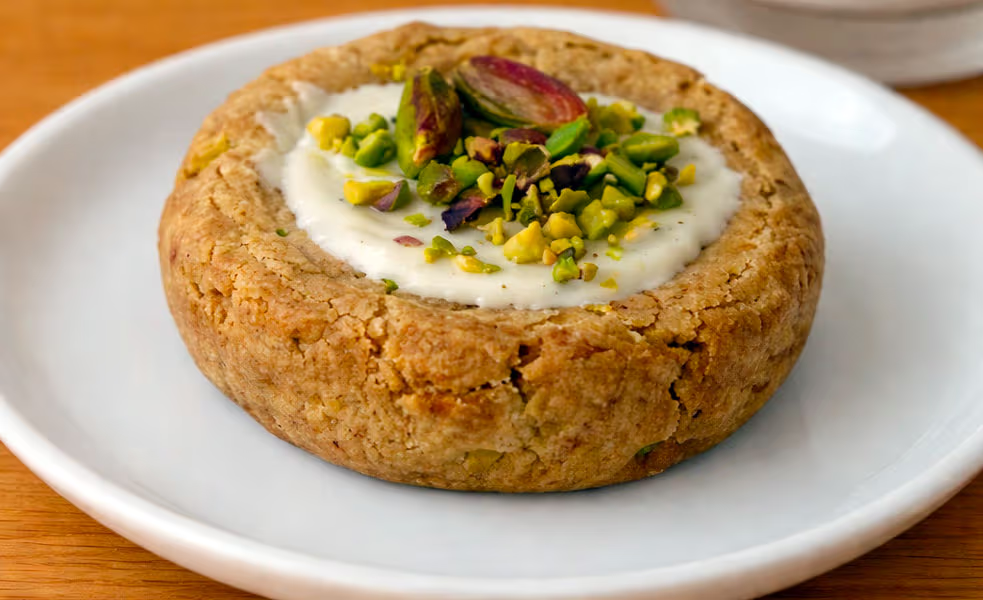

A soft, thick and indulgent cookie is all about balance: temperature, resting time, sugar choice and baking. Here are the most common mistakes—and the simple fixes.
Symptom: cookies spread and turn thin. Main cause: dough too warm (melted butter / hot tray / no resting time).
The logic behind a soft cookie
A successful cookie is a balance between fat (texture), sugars (caramelisation + moisture), flour (structure), egg (binding) and heat (controlled expansion).
Why are my cookies flat? 10 common causes
- Butter too melted: the dough spreads before it can set.
- Dough too warm: same effect.
- No resting time: flour doesn’t hydrate, fat “runs”.
- Hot baking tray between batches: instant spreading.
- Too much white sugar: melts quickly and increases spread.
- Not enough flour (or too much moisture): dough too soft.
- Incorrect leavening: too much = rises then collapses.
- Portions too small: bake too fast, spread more.
- Oven too gentle: the cookie has time to “flow”.
- Chocolate pieces too fine: they melt and loosen the dough.
The simple “anti-flat” protocol
- Chill the dough at least 2 hours (overnight is ideal).
- Portion evenly (balls of equal weight).
- Cold baking tray + parchment paper.
- Bake until the centre is still slightly soft (it finishes setting out of the oven).
Which flour for perfect cookies?
A “standard” flour gives consistent results. More characterful flours (non-hybrid spelt, spelt) bring a rustic flavour and different chew. In this case, chilling the dough becomes even more important to stabilise it.
Storage: keeping cookies soft
- Airtight container at room temperature.
- Avoid humidity (it softens) and heat sources (they dry cookies out).
- If cookies firm up: 1–2 minutes in a gentle oven to restore softness.
Freezing: raw dough or baked cookies?
Raw dough (ideal)
Portioned into balls and well wrapped: bake on demand, often the best texture.
Baked cookies (possible)
Wrap well to prevent drying out. A short reheat in a gentle oven can revive texture.
FAQ
Yes. Best option: freeze portioned raw dough, then bake as needed.
Airtight container at room temperature, away from humidity. If needed, gently reheat in a low oven.
Most commonly: butter/dough too warm + no chilling time + hot tray or oven too gentle.
Discover: our gourmet cookies .