
Einkorn,
at the origins of agriculture
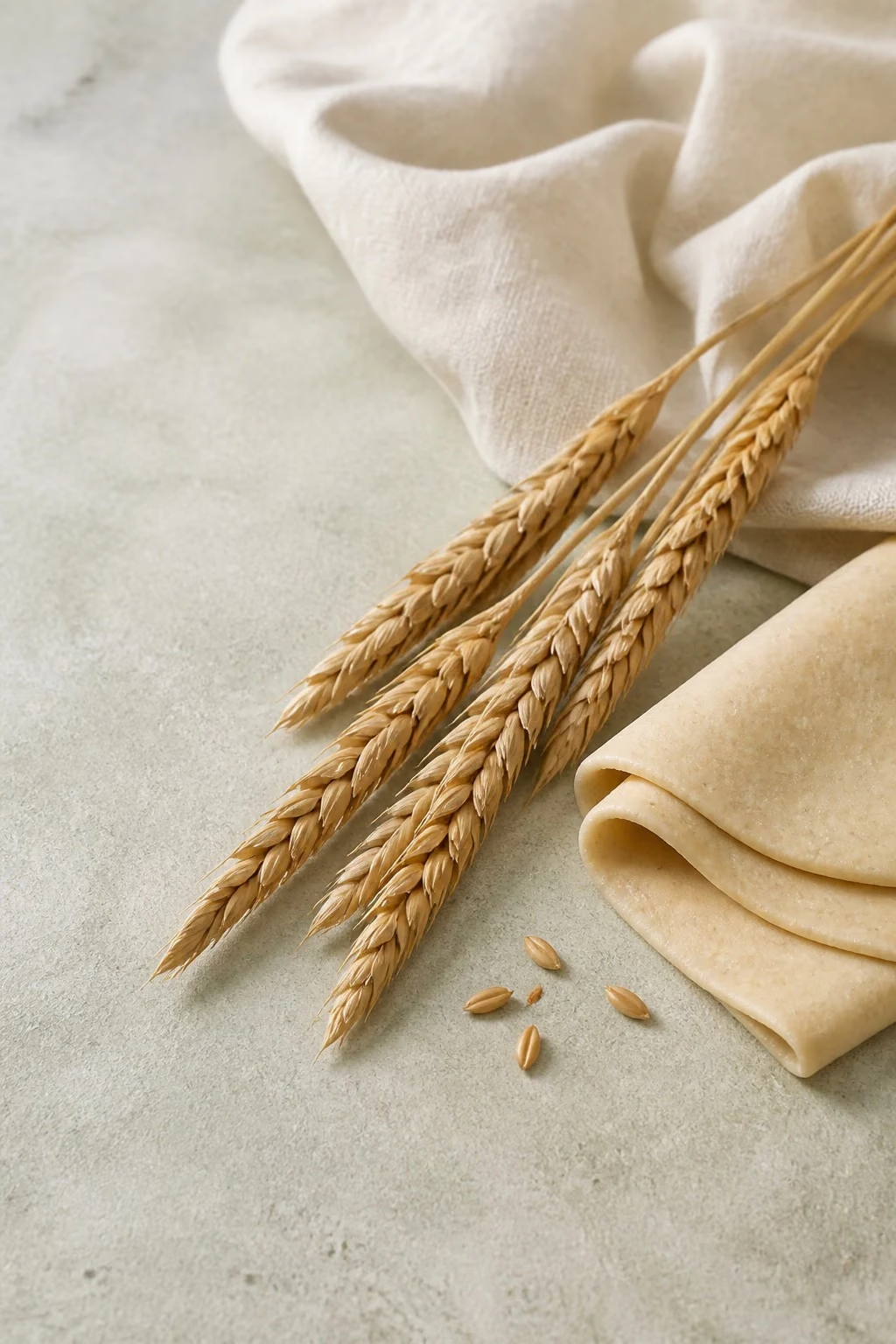
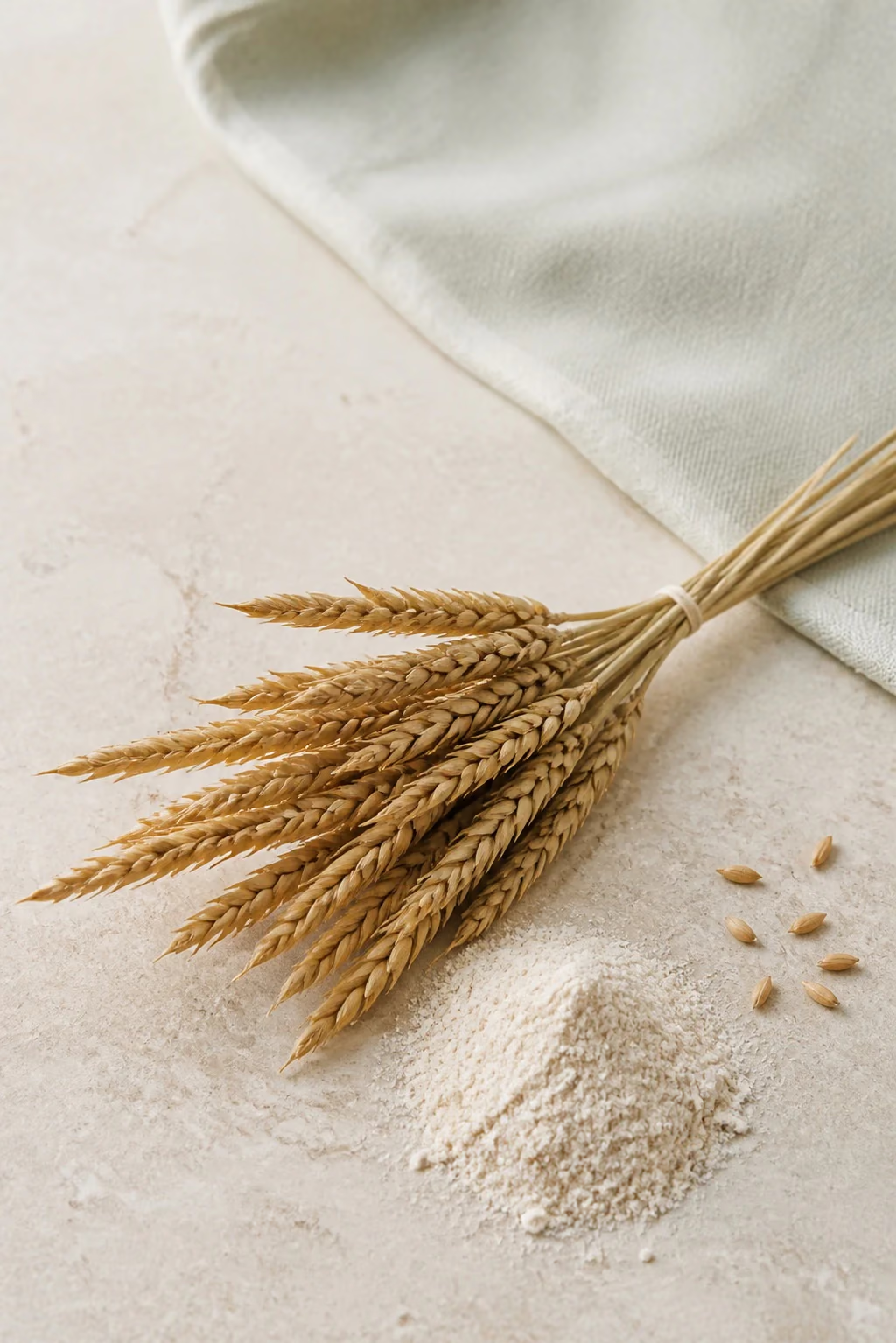
Einkorn, also known as Triticum monococcum, is one of the first grains domesticated by humans.
Its earliest traces date to the Neolithic period, around 10,000 years ago, in the Fertile Crescent in what is now south-eastern Turkey. Its cultivation then spread around the Mediterranean before reaching Provence around the seventh millennium BCE.
Einkorn never disappeared completely. It continued to be grown in Haute-Provence, where it is now an important part of the region’s agricultural heritage.
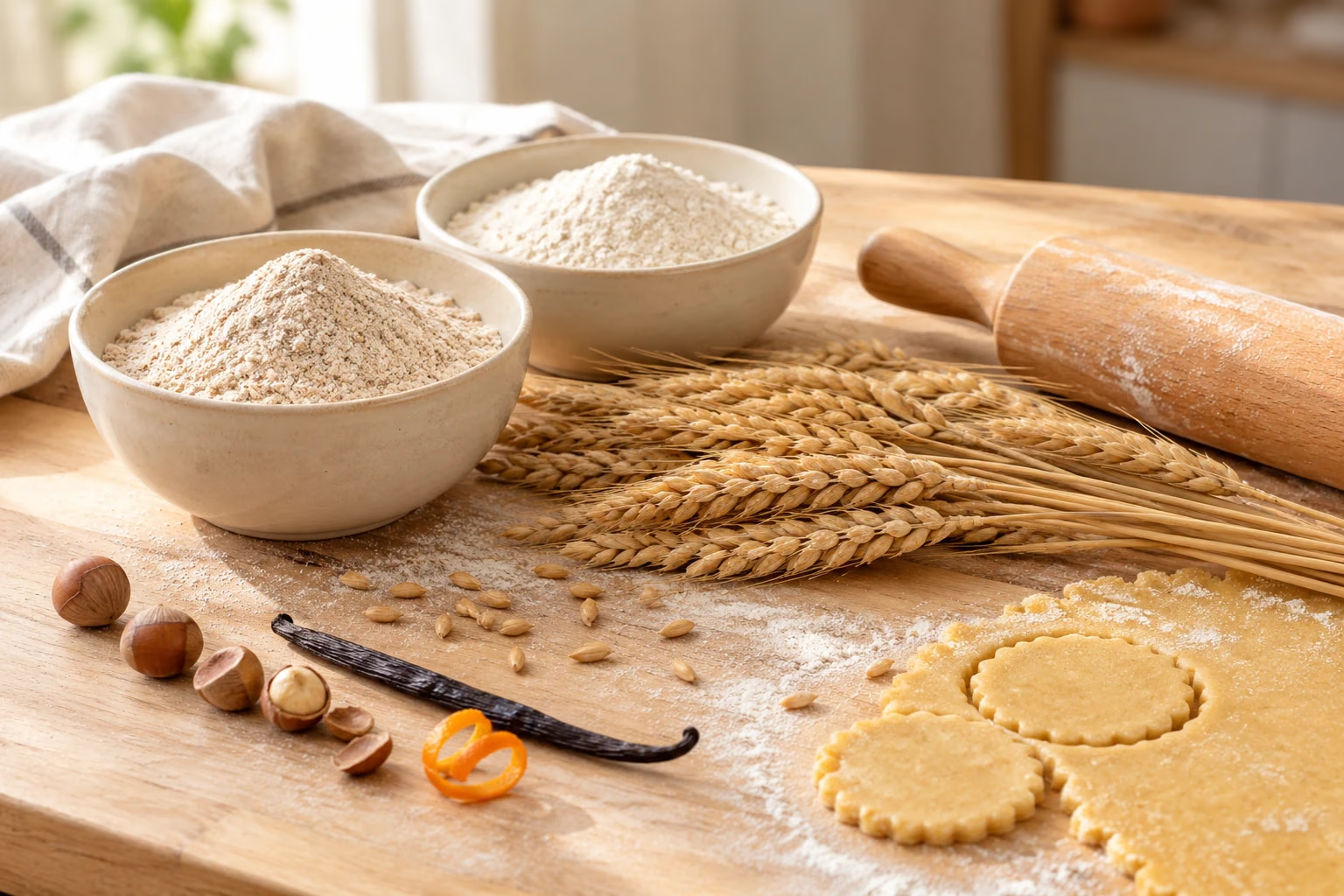
Its simple genetic structure makes crossing it much more difficult than modern wheats. Remaining close to its ancient forms, it has retained its hardy character and delicate cereal flavour, with light hazelnut notes.
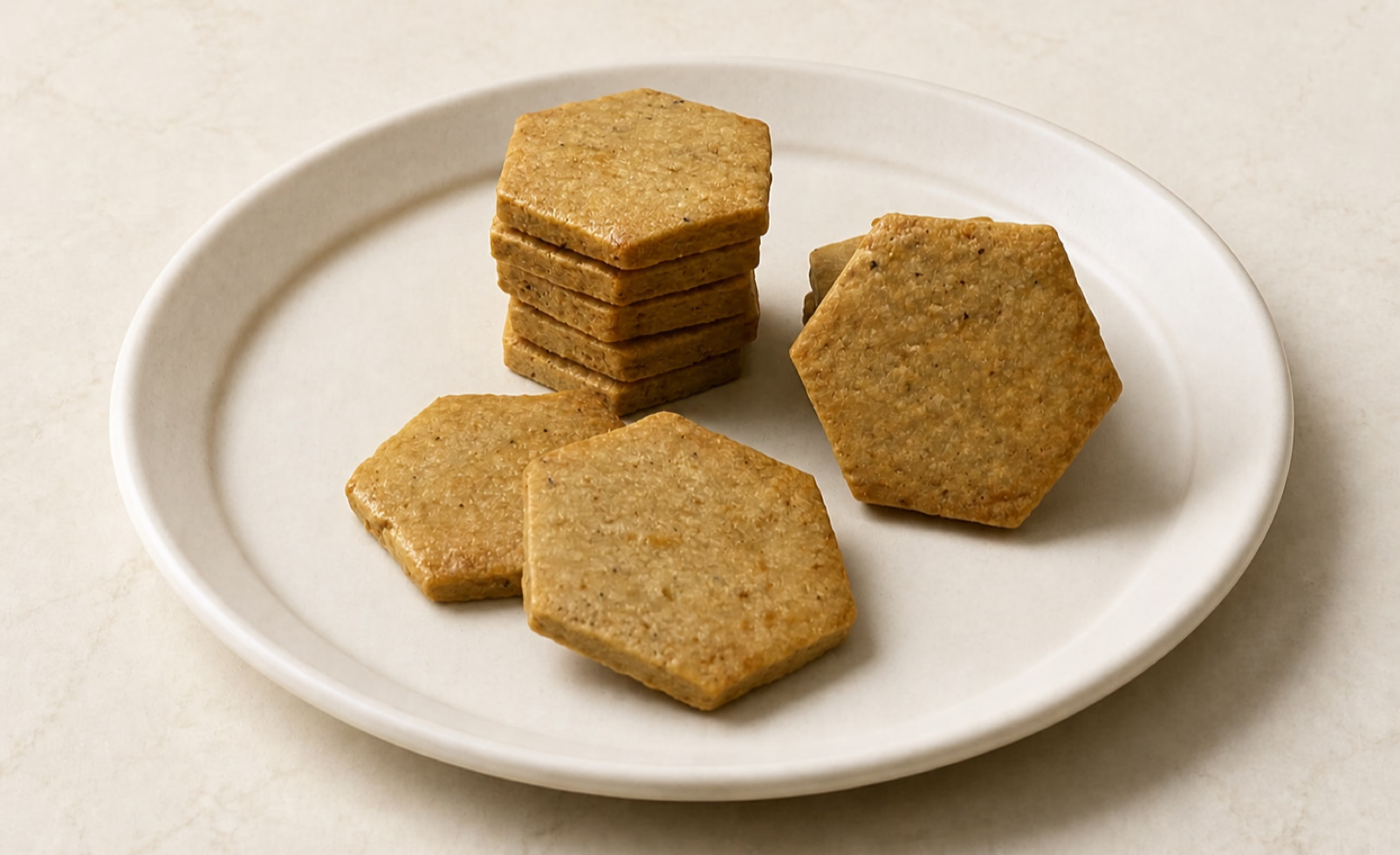
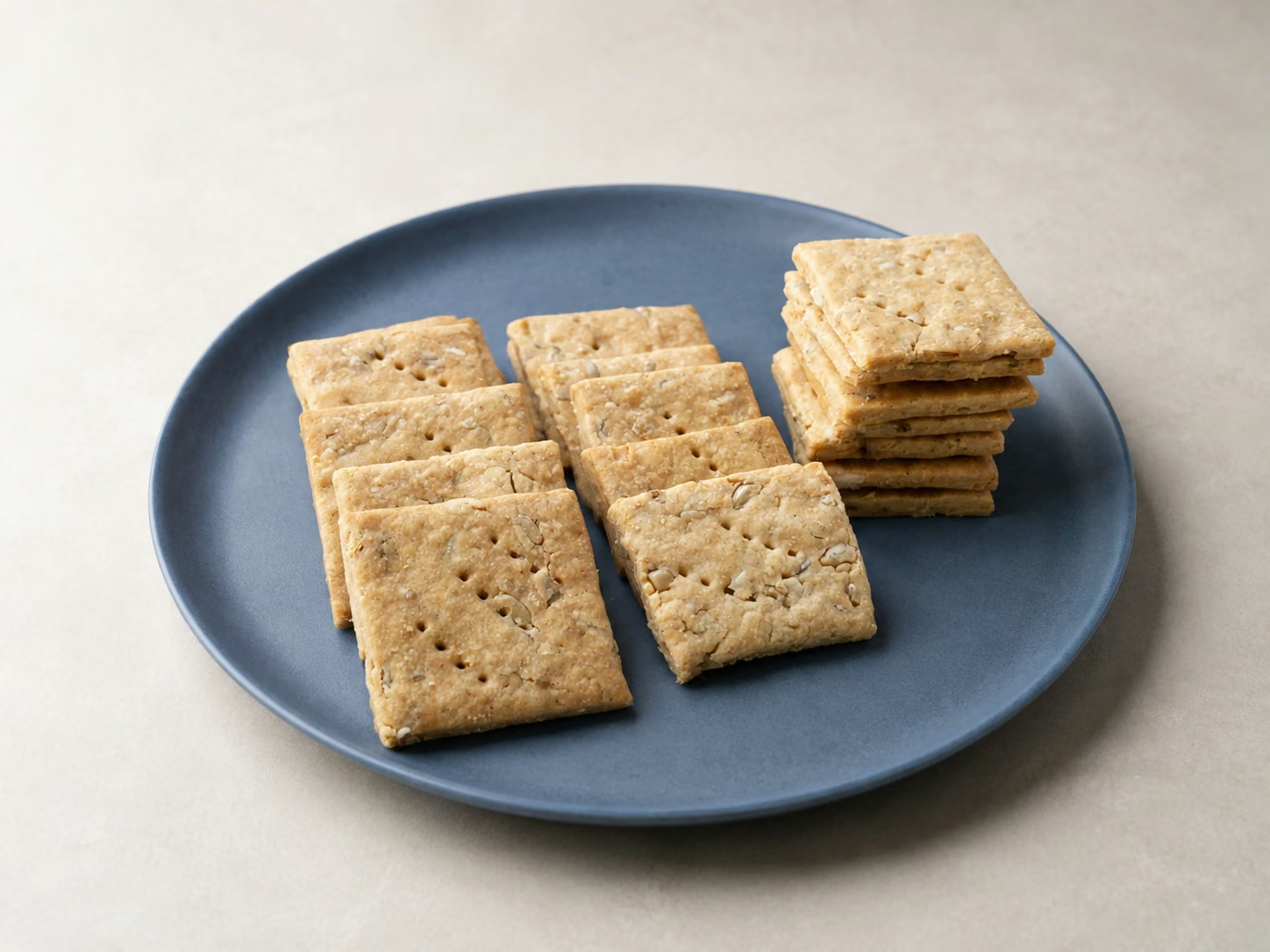
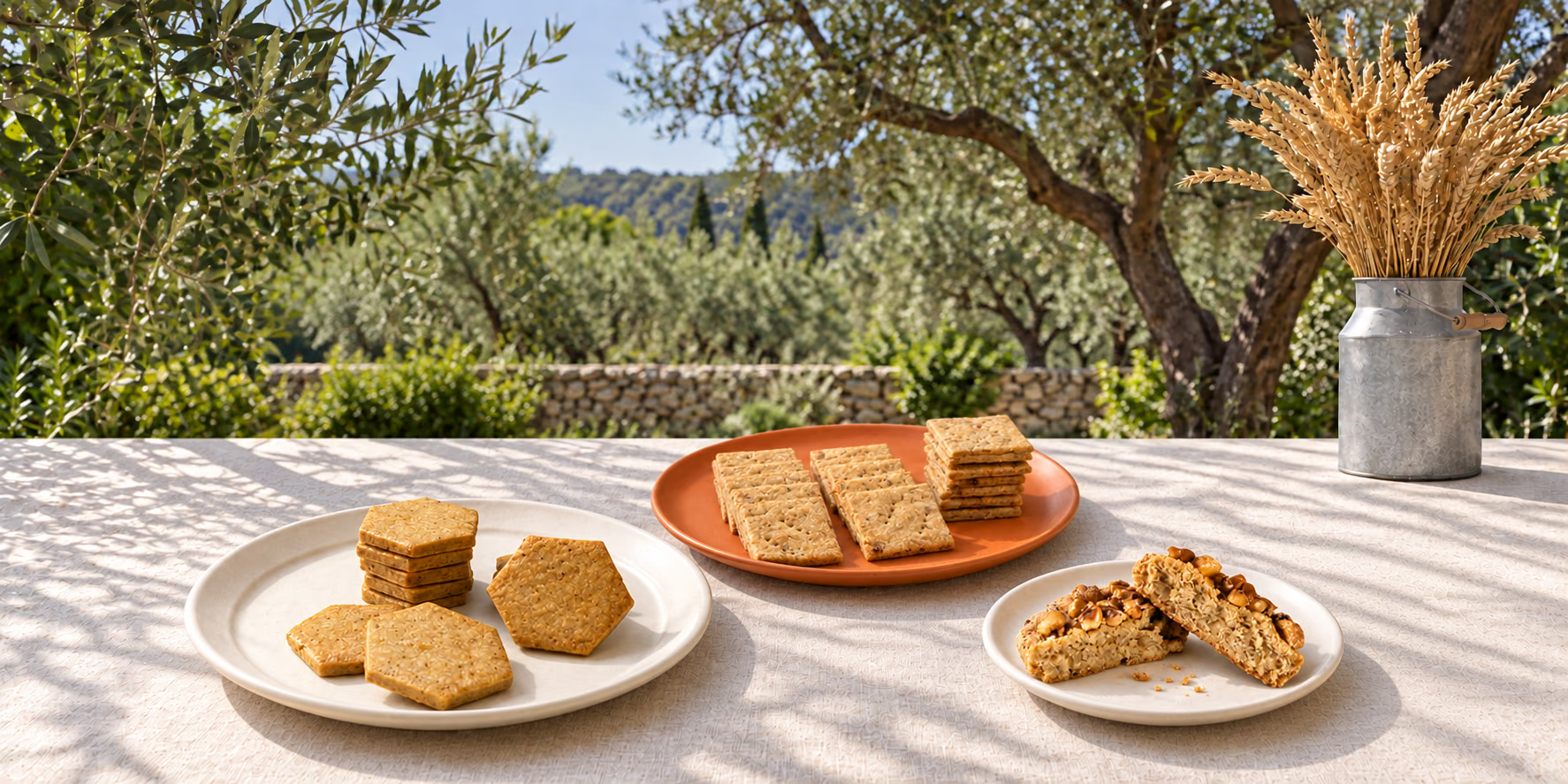
It naturally provides plant proteins, fibre, B vitamins and various minerals. In Opaléia biscuits, its flour expresses its delicacy and creates a gently crumbly texture.