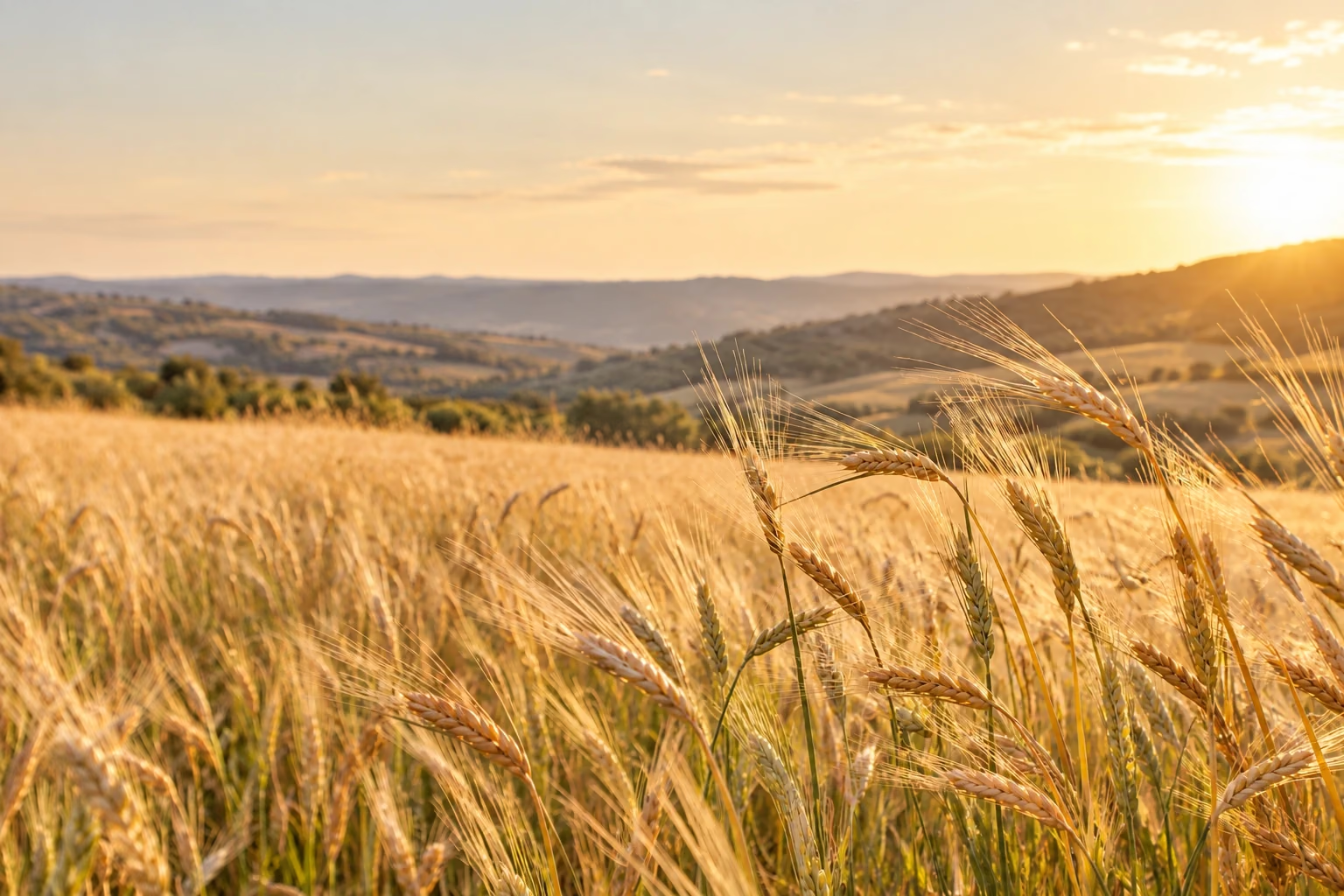
Organically grown einkorn and spelt: their differences in flavour, structure and texture guide the making of my cookies and shortbread.
By Carole · House of Opaléia
Einkorn: cereal flavour and crumbliness
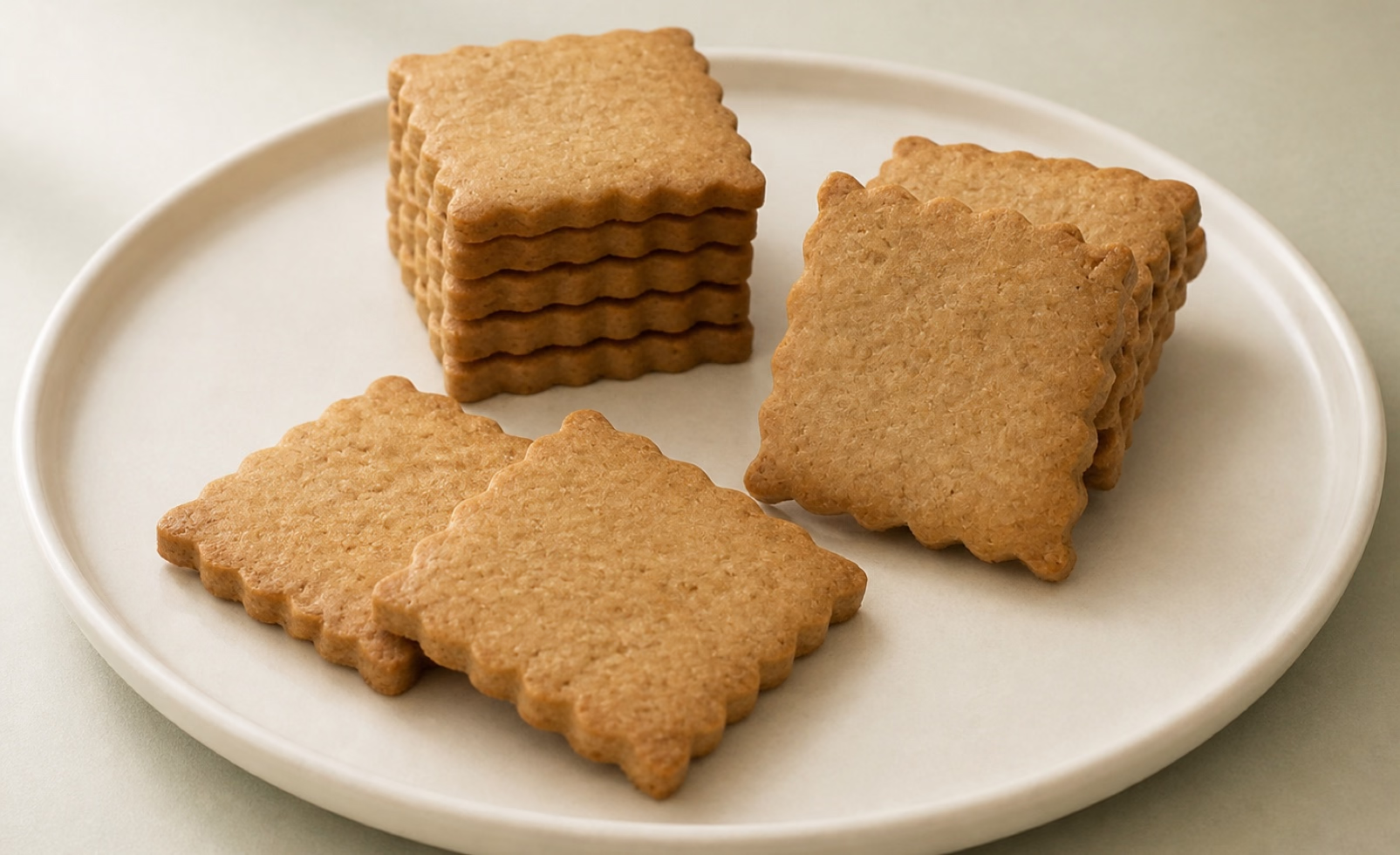
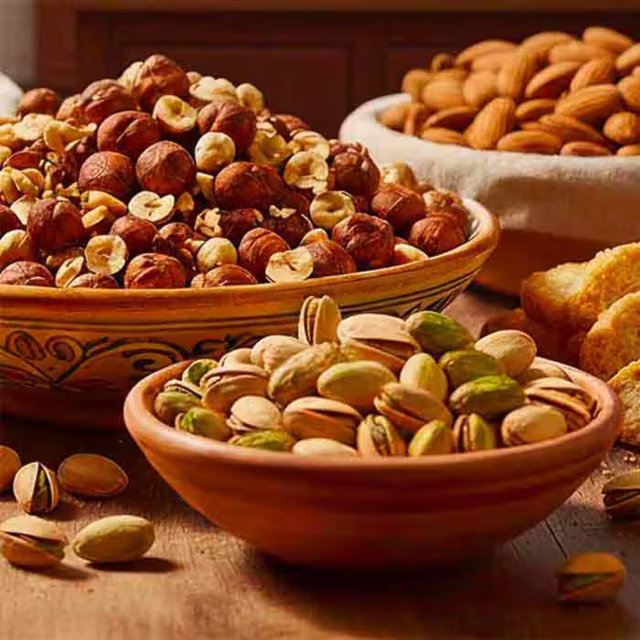
Organically grown Haute-Provence einkorn flour brings a pronounced cereal flavour with hazelnut nuances. In a simple recipe such as Le P’tit Doux, this taste is especially clear.
Also known as Triticum monococcum, einkorn creates a delicately crumbly dough. The result also depends on butter, liquids and handling: flour plays a part in a balanced recipe.
Spelt: delicacy and structure
Ancient non-hybridised spelt flour, also organically grown, has a more delicate taste and provides more structure. It leaves room for the other ingredients, especially chocolate.
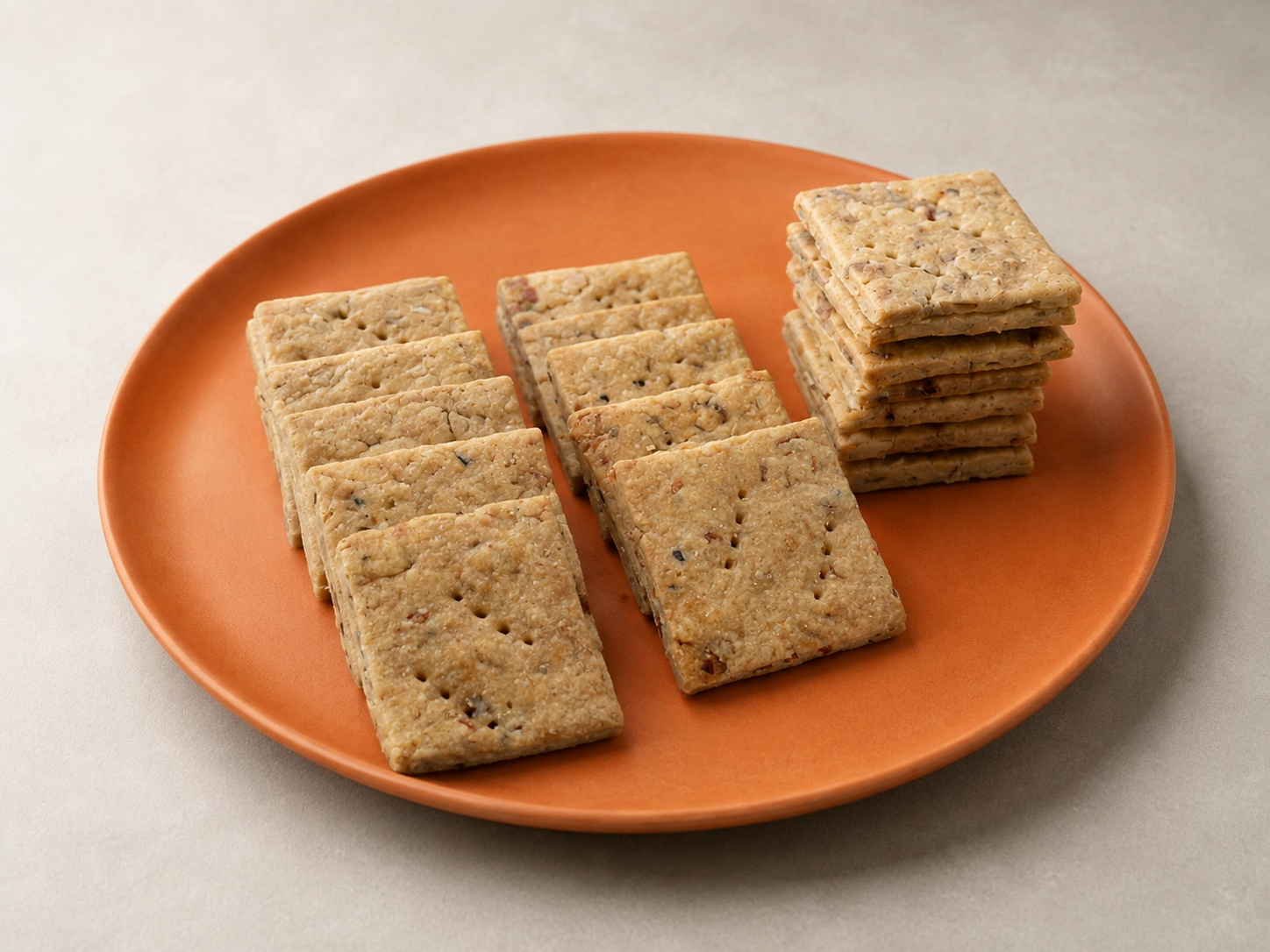
In cookies, combining the two grains brings together cereal expression and structure. In shortbread, each flour’s proportion depends on the desired crunch, crumbliness and melting texture.
In Le Grand Doux, organic Ardèche chestnut flour complements spelt. Its sweet, toasted notes pair with Madagascar vanilla: a different flour combination specific to this recipe.
Absorption varies with the flour and milling. After measured mixing, resting helps you observe the dough’s structure before adjusting proportions. A dough that is still soft does not necessarily need more flour.
In shortbread, gentle handling preserves the desired texture; in cookies, resting and baking help balance edge and centre. Einkorn and spelt contain gluten: neither flour is gluten-free.
For the personal reasons behind this recipe work, I share why I chose einkorn in a complementary article.