I rub cold butter into the flour
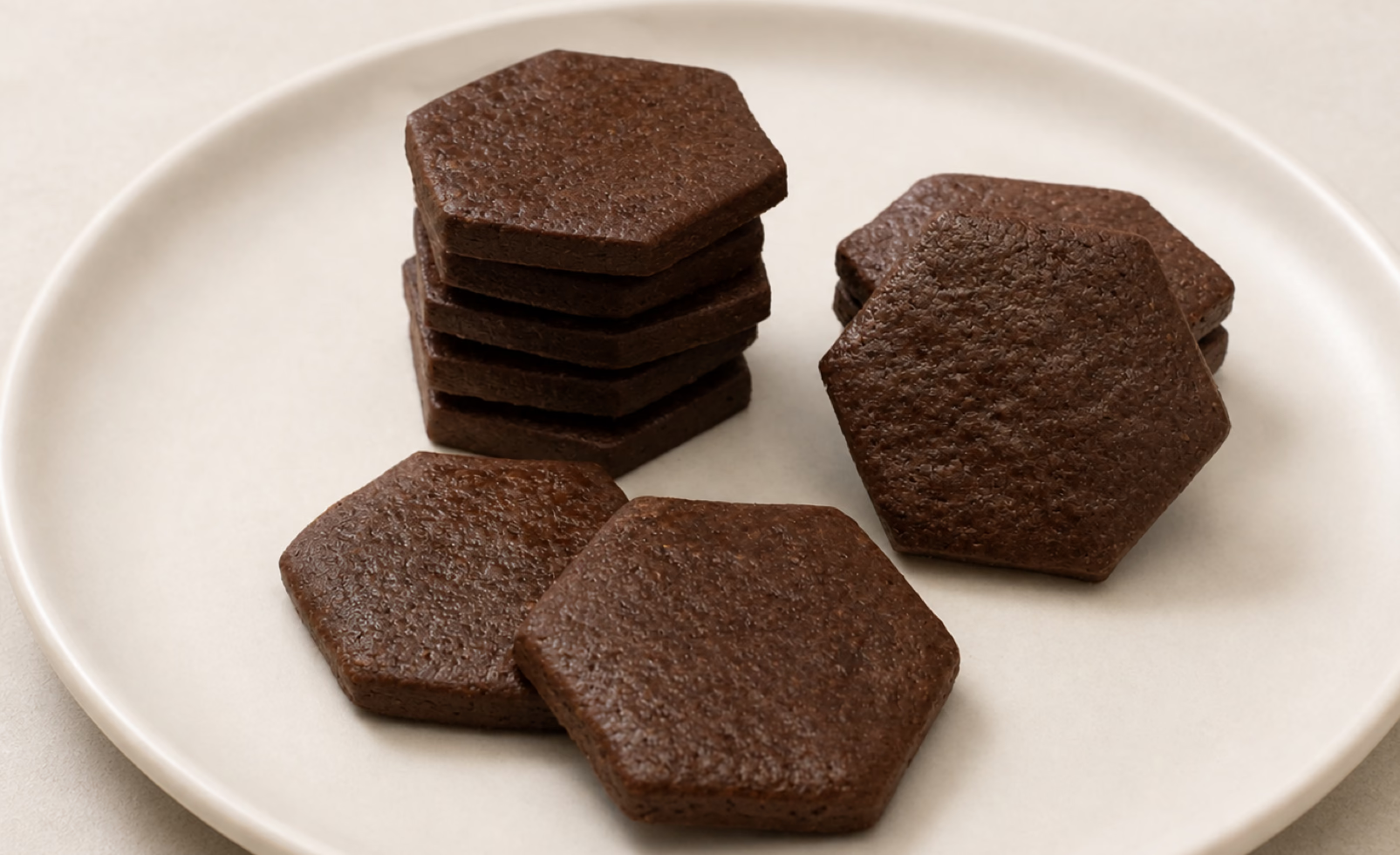
I work the flour with cold butter to create a sandy mixture before bringing the dough together. Rubbing in is at the heart of the texture I seek: a delicately crumbly biscuit that gives way to the bite, then melts in the mouth.
I take care not to overwork the dough. Charentes-Poitou PDO butter brings its fresh buttery taste.
Three flours for flavour and texture
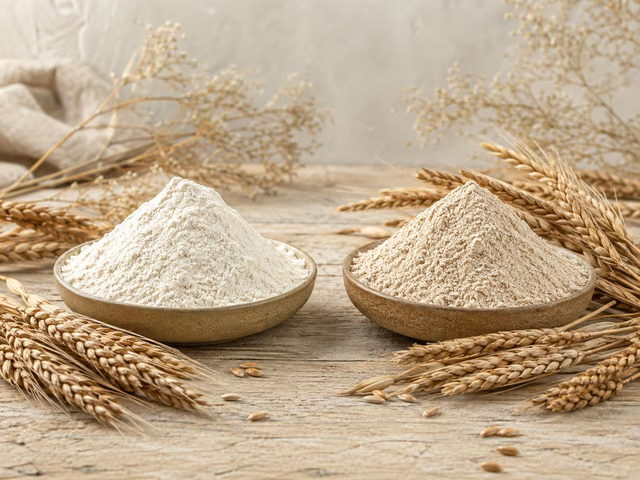
I work with two spelt flours, T45 and T65, to combine their respective textures. Their complementary qualities contribute to the biscuit’s melting texture and richness.
Einkorn flour brings a very flavourful taste and a crunchy quality. In this combination, I seek a texture that blends a melting finish, character and pleasure in every bite.
No eggs, with milk and cream
My sweet shortbread is made without eggs. I use milk and cream to bring the dough together and give it a melting texture. They also let me reduce the amount of butter in the recipe while keeping the texture I want.
The blend of finely ground brown sugar and coconut sugar in a less sweet recipe gives more room to the grains and chosen flavours.
Resting the dough for 24 hours
Before baking, I let the dough rest for 24 hours. This time is part of my method, just like rubbing in and shaping: I do not shorten it to go faster.
Slow baking at 150°C
I then bake my shortbread slowly at 150°C. I aim for controlled baking that respects its colour and preserves its delicate aromas.
The biscuit reveals its texture after cooling: an initial crunch, delicate crumbliness and a melting finish that lets the flavour linger. This sequence of gestures defines my shortbread.