Rubbing in dough, as in pastry making
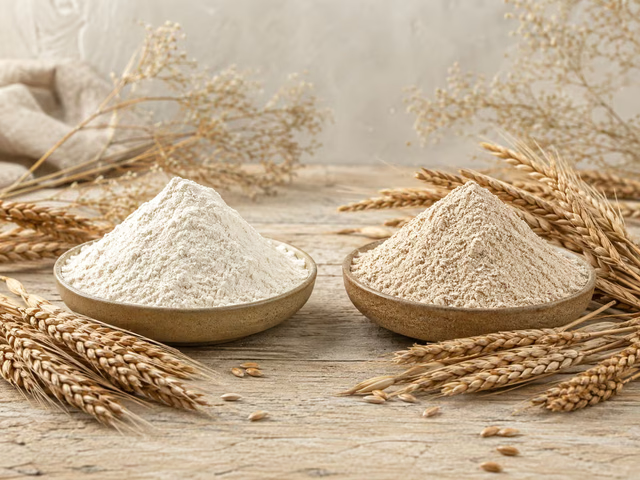
For my cookies, I begin by working butter with the flours until I get a sandy mixture. I then bring the dough together with the other ingredients. I choose this pastry technique rather than creaming, which means first beating butter with sugars to aerate it.
Rubbing in distributes butter around the flour particles. This limits gluten development when wet ingredients are added. Without trying to aerate the butter, I build a less airy dough suited to the texture I want.
The biscuit’s flavour before the filling
In my experiments, this method gives a dough whose flavour and texture I prefer. Ancient grains and butter keep their place, even with chocolate or nuts. I want the biscuit to be delicious on its own.
With my proportions and dough resting time, I also find baking more even. It is the result of several choices: rubbing in, dough temperature, shaping and oven time work together.
Brown sugar and vergeoise, a pairing of sugars
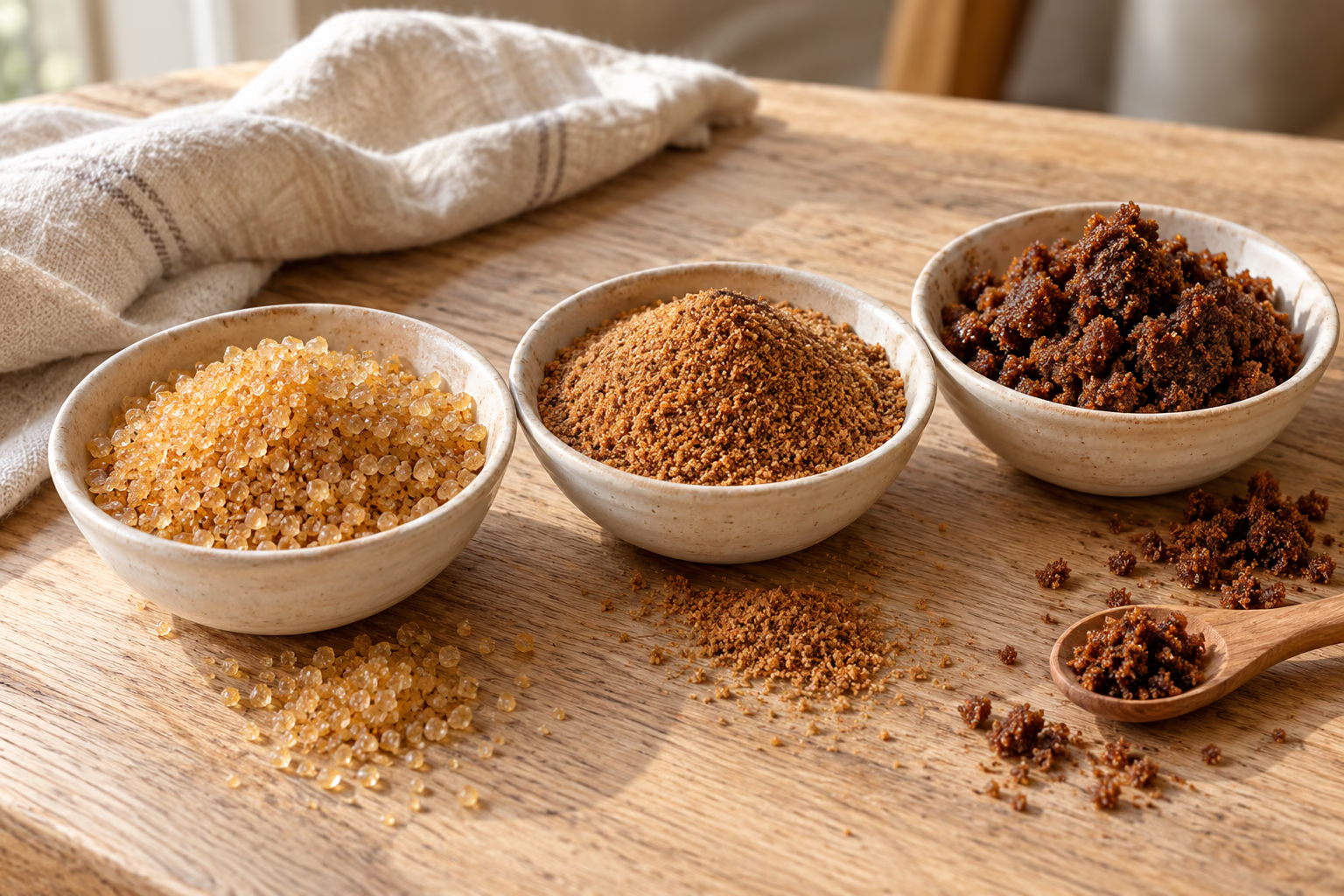
I combine brown sugar and vergeoise in my cookie dough. This blend is part of its taste: I seek rounded, caramelised notes that complement butter and the two ancient grains.
Quantity matters as much as the choice of sugars. I adjust it for each recipe to keep a tender centre and let the chocolate or nuts express their character.
Few eggs and a proper rest
I use a small quantity of eggs, measured to bring the dough together and achieve the required structure. I aim for a biscuit texture with depth and a melting finish.
Before baking, I chill the dough. The flours have time to hydrate and the butter to firm up. The dough becomes more stable, its spread easier to control, and flavours have time to come together.
Controlled baking at 170°C
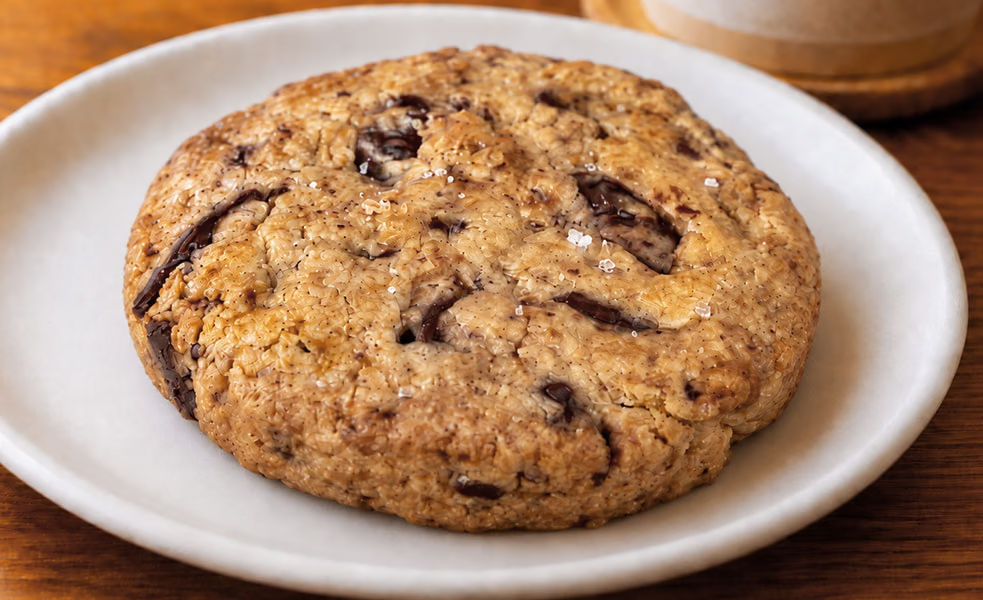
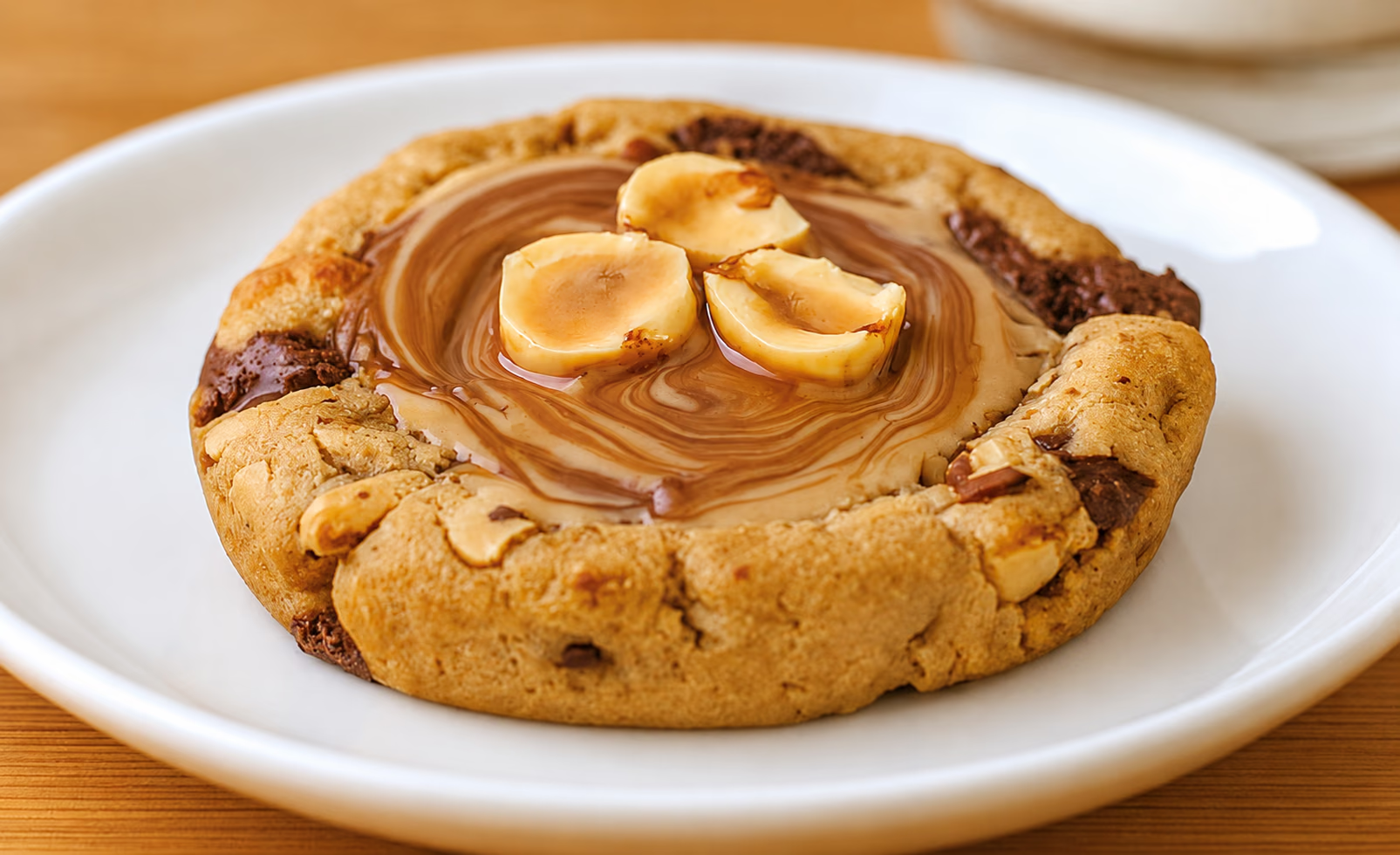
I bake my cookies at 170°C, adjusting the time to the recipe and size. I seek cooked dough, lightly crisp edges and a centre that remains melting.
I avoid baking so long that the cookie dries out. In recipes where chocolate goes into the oven, my aim is to preserve a melting sensation and a pleasant pairing with the dough. Oven temperature is not the chocolate’s core temperature: time and positioning matter too.
Chocolate in the centre of some recipes
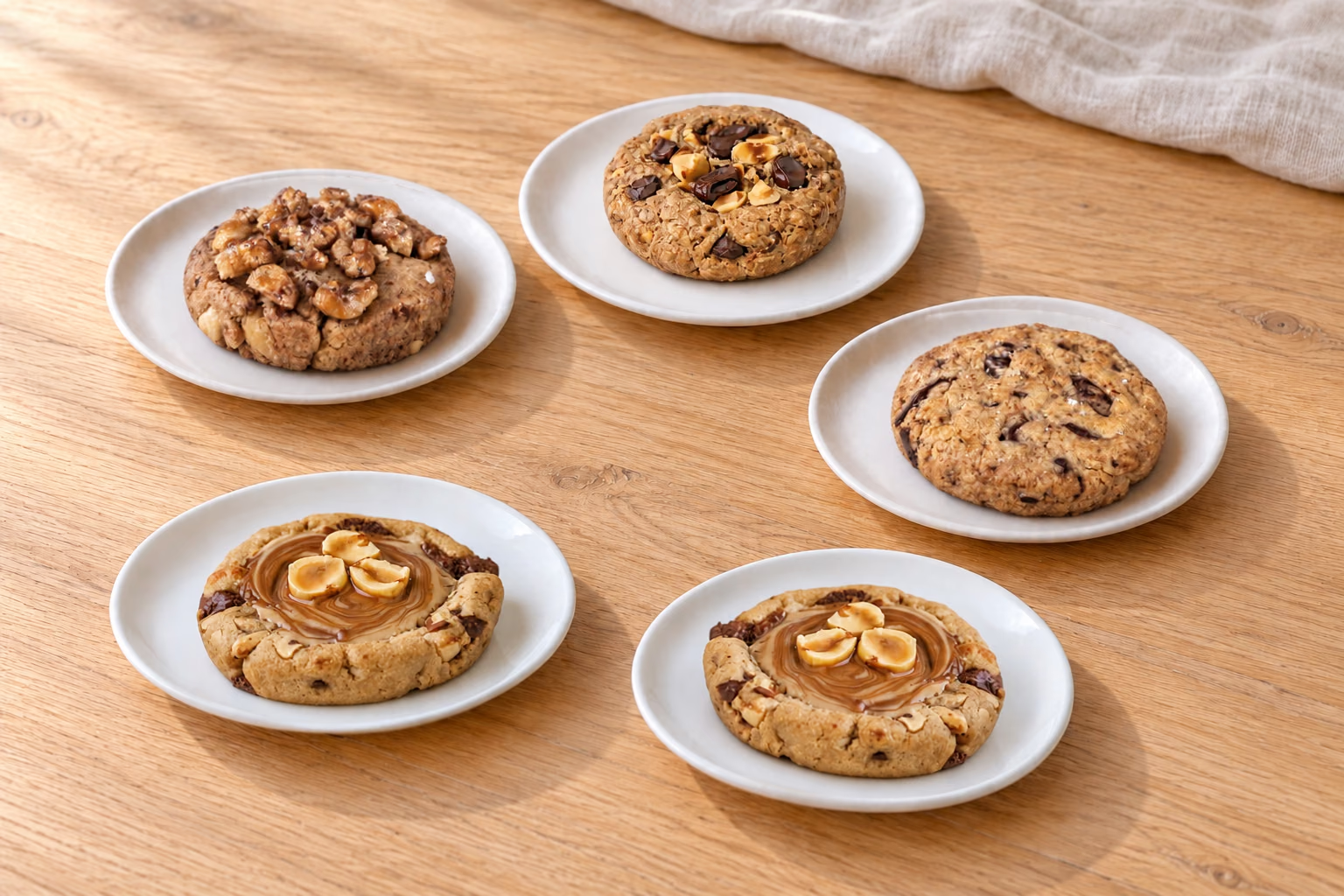
In some recipes, I place chocolate in the cookie’s centre before baking rather than throughout the dough. It melts there in the oven and keeps a distinct place in each bite.
When tasting, I seek contrast between the dough and chocolate, more concentrated in the centre. In these creations, I prefer this clear presence that lets its own notes be recognised. Its position and controlled baking work together towards the desired melting finish.